
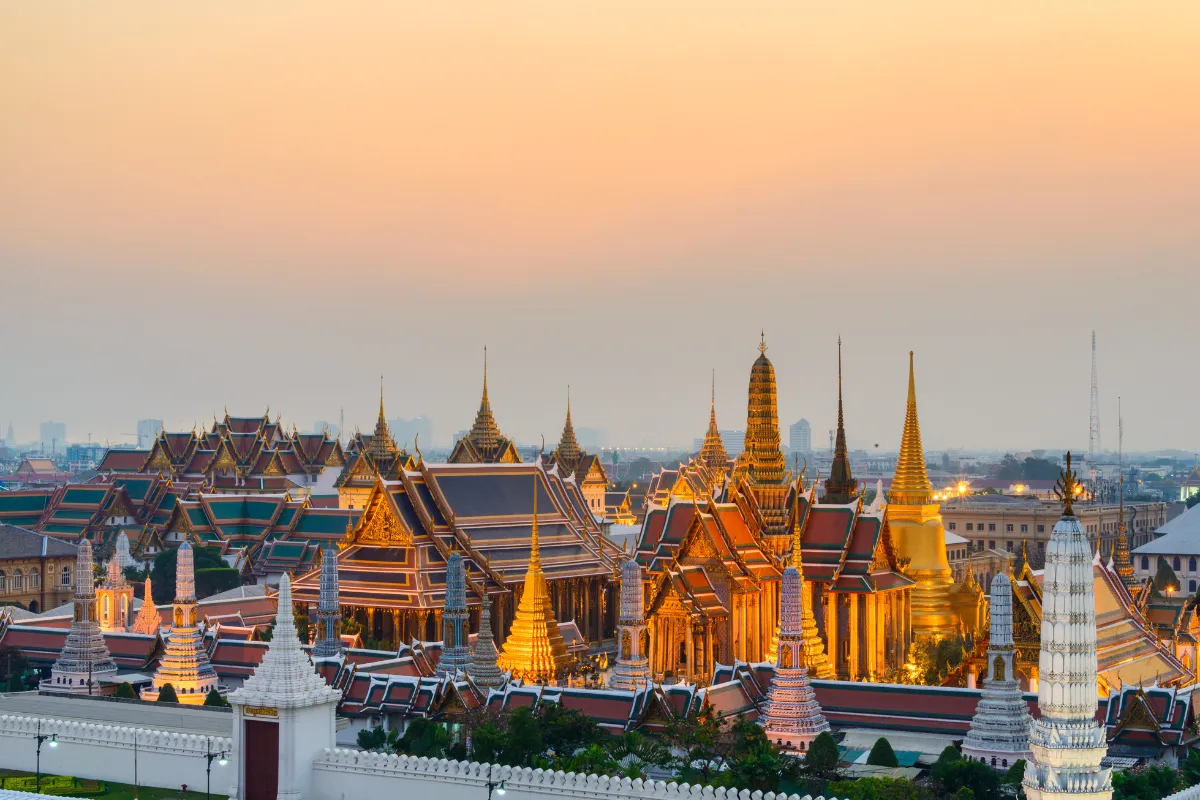
The Grand Palace in Bangkok is one of Thailand’s most revered landmarks. This sprawling complex of ornate buildings, shimmering golden spires, and intricate craftsmanship offers visitors a glimpse into the nation’s royal heritage and cultural pride. A visit to the Grand Palace is a must for anyone seeking to immerse themselves in the history and artistry of Thailand.
A Royal Legacy
The Grand Palace was commissioned in 1782, during the reign of King Rama I, the founder of the Chakri Dynasty. For over 150 years, it served as the royal residence, the seat of government, and the heart of religious ceremonies. While the Thai monarchy now resides elsewhere, the Grand Palace remains a site of immense historical and cultural significance.
The complex is a masterpiece of traditional Thai architecture blended with influences from neighboring cultures. Every corner reflects the grandeur and meticulous attention to detail that defined the early Rattanakosin era.
Exploring the Complex
The Grand Palace is not a single structure but a complex of buildings, halls, pavilions, and courtyards, each with its own unique character. Walking through the grounds is like stepping into a different world, where every detail tells a story of Thai artistry and devotion.
- Wat Phra Kaew (Temple of the Emerald Buddha): This is the most sacred part of the Grand Palace. Home to the Emerald Buddha, a revered statue carved from a single block of jade, Wat Phra Kaew is a spiritual centerpiece of Thailand. The temple’s walls are adorned with intricate murals that depict scenes from the Ramakien, the Thai version of the Indian epic Ramayana.
- The Outer Court: This area was once the administrative hub of the kingdom, housing government offices and the royal mint. Today, it offers visitors a chance to admire the stunning architecture of the early Chakri kings.
- Chakri Maha Prasat Hall: Known as the Grand Palace Hall, this building combines Thai and European architectural styles, showcasing the kingdom’s openness to global influences during the late 19th century.
- Phra Maha Monthien Group: This section contains the former residential and throne halls of the kings. Though parts of it are closed to the public, its grand exterior offers a glimpse into the regal lifestyle of Thailand’s monarchy.
Best Time to Visit
The Grand Palace is open year-round, but the cooler months from November to February are ideal for visiting. Arriving early in the morning is recommended to avoid the midday heat and crowds. The palace opens at 8:30 AM, and the serenity of the early hours enhances the experience.
Dress Code and Etiquette
As a sacred site, the Grand Palace has a strict dress code. Visitors should wear clothing that covers their shoulders and knees. Avoid sleeveless tops, shorts, and revealing attire. Scarves or shawls are not considered acceptable substitutes for proper clothing.
Respectful behavior is also essential, particularly in Wat Phra Kaew. Photography is allowed in many areas, but certain sections, such as inside the Emerald Buddha temple, prohibit it.
Insider Tips for a Smooth Visit
- Plan Ahead: The Grand Palace is a popular attraction, so purchasing tickets online or arriving early can help you beat the crowds.
- Hire a Guide: A knowledgeable guide can bring the site’s history and symbolism to life, providing insights that you might miss on your own.
- Stay Hydrated: The Bangkok heat can be intense, so carry water to stay refreshed.
- Allocate Time: To fully explore the complex, set aside at least two to three hours.
Beyond the Grand Palace
The Grand Palace is located in the Rattanakosin area, close to other significant attractions. After your visit, consider exploring nearby landmarks such as Wat Pho (home of the Reclining Buddha) or taking a boat ride along the Chao Phraya River for a different perspective of Bangkok’s beauty.
Why It’s Worth the Visit
The Grand Palace is more than a historical site; it is a living testament to Thailand’s artistry, spirituality, and monarchy. Its intricate details and rich history make it a place of awe and inspiration. As you walk through its halls and courtyards, you’ll be transported to a time when craftsmanship and devotion shaped every stone and spire.
A visit to the Grand Palace is not just about sightseeing; it’s about experiencing a part of Thailand’s soul. It is a destination that leaves every traveler with a deeper appreciation for the country’s cultural heritage.