
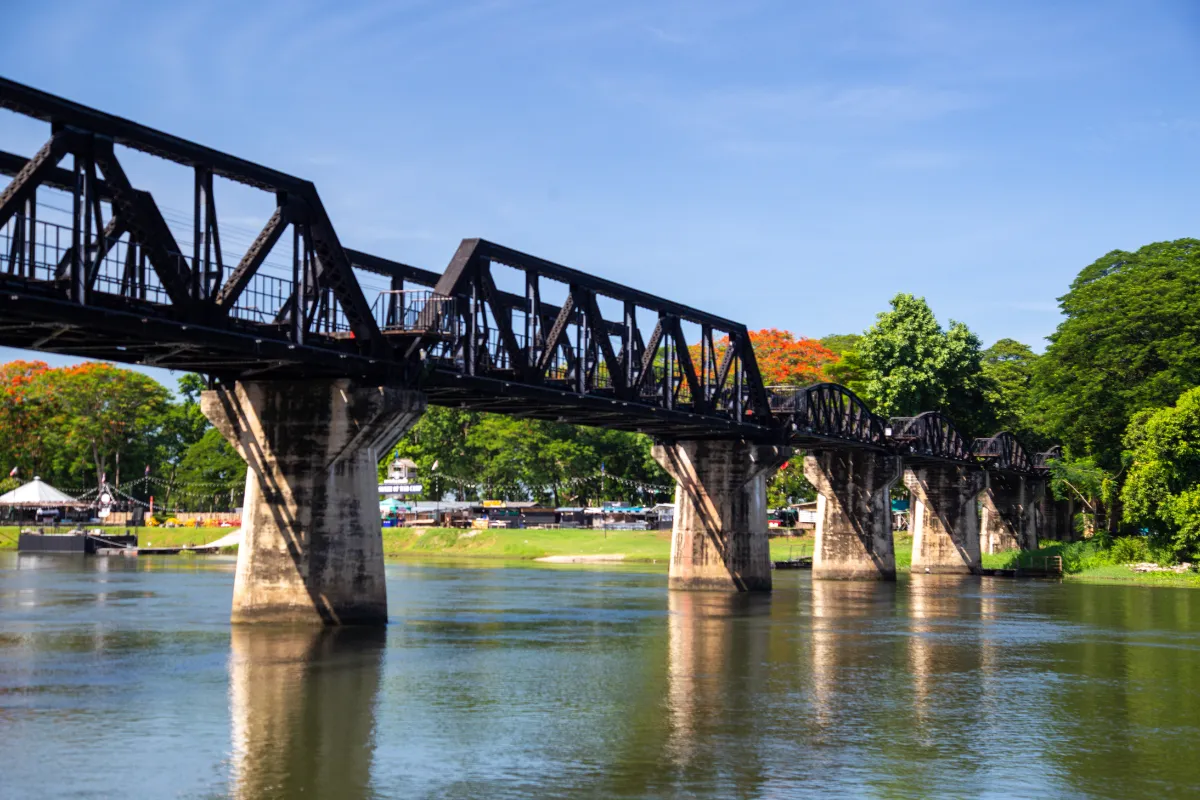
The Bridge over the River Kwai is not just an architectural landmark; it is a symbol of resilience, sacrifice, and the enduring human spirit. Located in Kanchanaburi, Thailand, this iconic site attracts history enthusiasts, nature lovers, and travelers looking to connect with a poignant chapter of World War II. A tour of the bridge offers a blend of historical education, breathtaking scenery, and a deep sense of reflection.
A Glimpse Into the History
The Bridge over the River Kwai gained global attention through Pierre Boulle’s novel and its subsequent Hollywood adaptation. However, the real story of the bridge is far more harrowing. Constructed during World War II, the bridge was part of the infamous “Death Railway” built by Allied prisoners of war (POWs) under Japanese control.
The railway, which aimed to connect Thailand and Burma (now Myanmar), demanded grueling labor in brutal conditions. Over 12,000 Allied POWs and tens of thousands of Asian laborers lost their lives due to malnutrition, disease, and physical abuse. The bridge stands as a haunting reminder of their sacrifices.
What to Expect on the Tour
A typical Bridge over the River Kwai tour offers a mix of historical exploration and scenic discovery. Most tours begin in Bangkok and take travelers to Kanchanaburi, about 130 kilometers west of the capital. Along the way, you’ll be immersed in the history of the region and the events surrounding the bridge.
At the site, visitors can walk across the bridge, which has been partially reconstructed following Allied bombing during the war. The railway tracks, though largely unused today, echo the footsteps of those who endured unimaginable hardships.
For a more immersive experience, some tours include a ride on the Death Railway itself. The train journey takes you through lush jungles, steep cliffs, and tranquil rivers, offering stunning views that contrast sharply with the somber history of the area.
Highlights of the Tour
- JEATH War Museum: This museum provides a sobering look at the lives of POWs who worked on the Death Railway. Exhibits include photographs, personal items, and stories that bring history to life.
- Kanchanaburi War Cemetery: A beautifully maintained cemetery that honors the Allied soldiers who perished during the construction of the railway. It’s a peaceful yet emotional place for reflection.
- Hellfire Pass Memorial: Named for the eerie glow of torchlight during nighttime construction, this pass was one of the most challenging sections of the railway. The memorial and walking trail offer a deeper understanding of the suffering endured by the laborers.
Best Time to Visit
The best time to take the Bridge over the River Kwai tour is between November and February, when the weather is cooler and more pleasant. Early mornings are ideal for avoiding crowds and enjoying the serenity of the site.
Tips for an Enriching Experience
- Wear Comfortable Shoes: The tour often involves walking along uneven terrain and railway tracks, so sturdy footwear is essential.
- Bring a Hat and Sunscreen: The tropical sun can be intense, especially during midday.
- Pack Snacks and Water: Although there are vendors in the area, it’s helpful to bring your own refreshments for a seamless experience.
- Engage a Knowledgeable Guide: A tour guide with expertise in the site’s history can offer invaluable insights and stories that elevate your visit.
Why This Tour Is Worth It
The Bridge over the River Kwai tour is not just a sightseeing trip; it’s an opportunity to connect with a profound piece of history. As you stand on the bridge, surrounded by verdant landscapes and the flowing river, you’ll feel the weight of the past blending with the peace of the present.
This tour serves as both a history lesson and a tribute to those who endured unimaginable hardships. It reminds us of the resilience of the human spirit and the importance of preserving stories from the past so that they may guide us in the future.